The RNATT is the most important test in the entire Australia pet import process. Here's what it is, why Australia requires it, and what happens if your pet doesn't pass.
The short answer
RNATT stands for Rabies Neutralising Antibody Titre Test. It's a blood test that checks whether your pet has developed enough immunity against rabies from their vaccination. Australia requires this test for all dogs and cats coming from Group 3 countries, which includes the US, Canada, UK, and most of Europe, because Australia is one of the few rabies-free countries in the world and intends to stay that way.
The result needs to show at least 0.5 IU/ml of rabies antibodies. If it does, your pet is considered sufficiently protected. If it doesn't, you need to revaccinate and repeat the test, and the whole process starts again.
Why the RNATT matters so much
The RNATT is not just a test. It's the starting gun for the most important clock in the process. The day your pet's blood sample arrives at the laboratory is the day the mandatory 180-day waiting period begins. Your pet cannot travel to Australia until at least 180 days after that date. There are no exceptions.
This is why getting the RNATT done at the right time matters enormously. Too early and your pet's result will expire before you're ready to travel (the result is valid for 12 months from the blood draw date). Too late and you won't have enough time before your planned move. Either way, the RNATT directly affects your quarantine timeline and cost.
How the test works
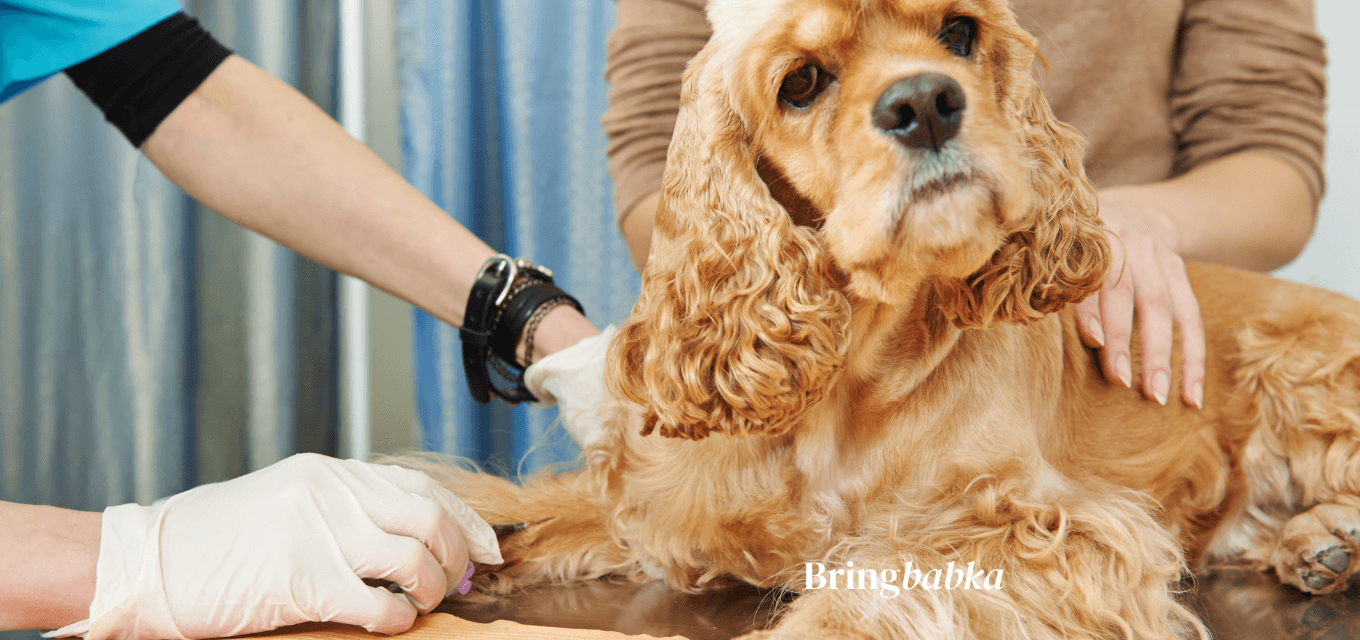
A government-approved vet draws a blood sample from your pet and sends it to an approved laboratory. The lab tests the sample using either the FAVN (Fluorescent Antibody Virus Neutralisation) test or the RFFIT (Rapid Fluorescent Focus Inhibition Test). These are the only two methods DAFF accepts.
Results typically come back within 2-3 weeks, though this varies by laboratory. Once you have the result, you'll need an official government veterinarian in your country to review it and issue an endorsed RNATT declaration. This is a separate document from the lab report and both are required to apply for the import permit.
The two dates you need to track
- Blood draw date: when your vet collected the sample. The RNATT result is valid for 12 months from this date. Your pet must travel before the result expires.
- Lab receipt date: when the laboratory received the sample. This is when the 180-day wait begins. It's usually 1-5 days after the draw date depending on shipping.
What happens if the result is too low
A result below 0.5 IU/ml means the test has not passed. You'll need to give your pet a booster rabies vaccination, wait the appropriate time (usually 3-4 weeks for a first-time vaccination, potentially sooner if your pet has been regularly vaccinated), and repeat the blood draw. The 180-day wait then restarts from the date the new sample arrives at the laboratory.
If your pet's rabies vaccination lapses at any point after the RNATT, even for a single day, the result is invalidated and the entire process, including the 180-day wait, must restart. Keep the vaccination current throughout.
For more on what happens when the result comes back low, read what happens if your dog fails the RNATT.
Which laboratories are approved
For US users, Kansas State University Veterinary Diagnostic Laboratory and Auburn University are the standard choices. For Canadian users, Kansas State is the most commonly used. For UK users, APHA Weybridge and Biobest are the approved laboratories. DAFF maintains the definitive list, so always confirm your chosen laboratory is currently approved before submitting a sample.
For a detailed comparison of the US labs, read Kansas State vs Auburn: which lab to use.