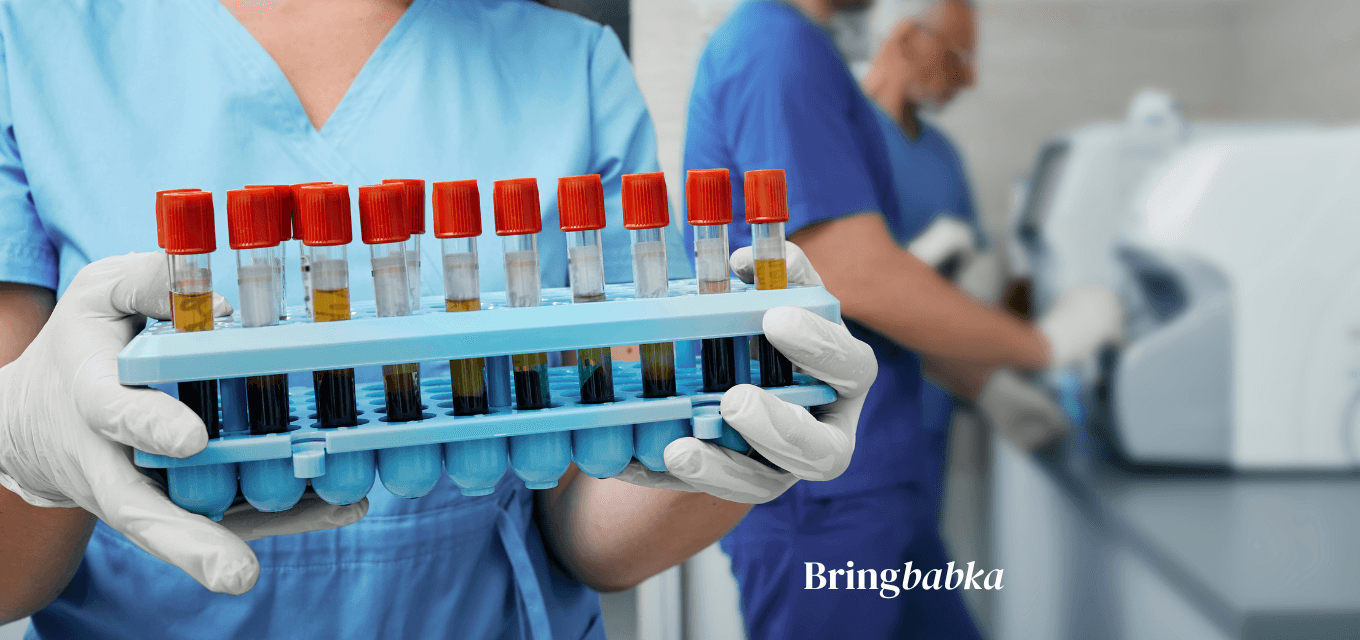
Both Kansas State and Auburn are approved for RNATT testing. Here's how to choose between them.
Both are fully approved
Kansas State University Veterinary Diagnostic Laboratory and Auburn University College of Veterinary Medicine are both approved laboratories for RNATT testing. A passing result from either is equally valid for the Australian import permit application. There is no technical difference in terms of acceptance.
Where they differ
Turnaround time
Both labs typically return results within 2-4 weeks. Turnaround times can vary during busy periods, so check directly with each lab for current estimates when you're planning your timeline.
Location and shipping time
Kansas State is in Manhattan, Kansas. Auburn is in Auburn, Alabama. If you're on the West Coast, Kansas State is marginally closer. If you're on the East Coast or Southeast, Auburn may be slightly faster for shipping. In practice the difference is usually 1-2 days and rarely affects the outcome.
Familiarity
Kansas State is the more commonly used lab for Australia-bound US pets and is explicitly referenced in CFIA guidance for Canadian users as well. Most US vets who have done Australia export work before will have an existing relationship with Kansas State. This makes the submission process smoother in practice.
The recommendation
For most US users, Kansas State is the slightly better default: more commonly used, well-understood by DAFF, and familiar to vets with Australia experience. But Auburn is equally valid and if your vet has an existing relationship with Auburn, stick with it.
What actually matters more than lab choice
The lab choice matters far less than getting the sample submission form right. The laboratory report must include your pet's microchip number exactly as it appears on all other documents, the blood sampling date, the submitting veterinarian's details, and the clinic address. A discrepancy in any of these, even a single digit in the microchip number, will cause DAFF to reject the report and delay the permit. If the result comes back below 0.5 IU/ml, read what to do if the RNATT fails.