Identity verification is an optional step that can cut your pet's quarantine from 30 days to 10. Here's exactly what it involves and why you should never skip it.
What identity verification is
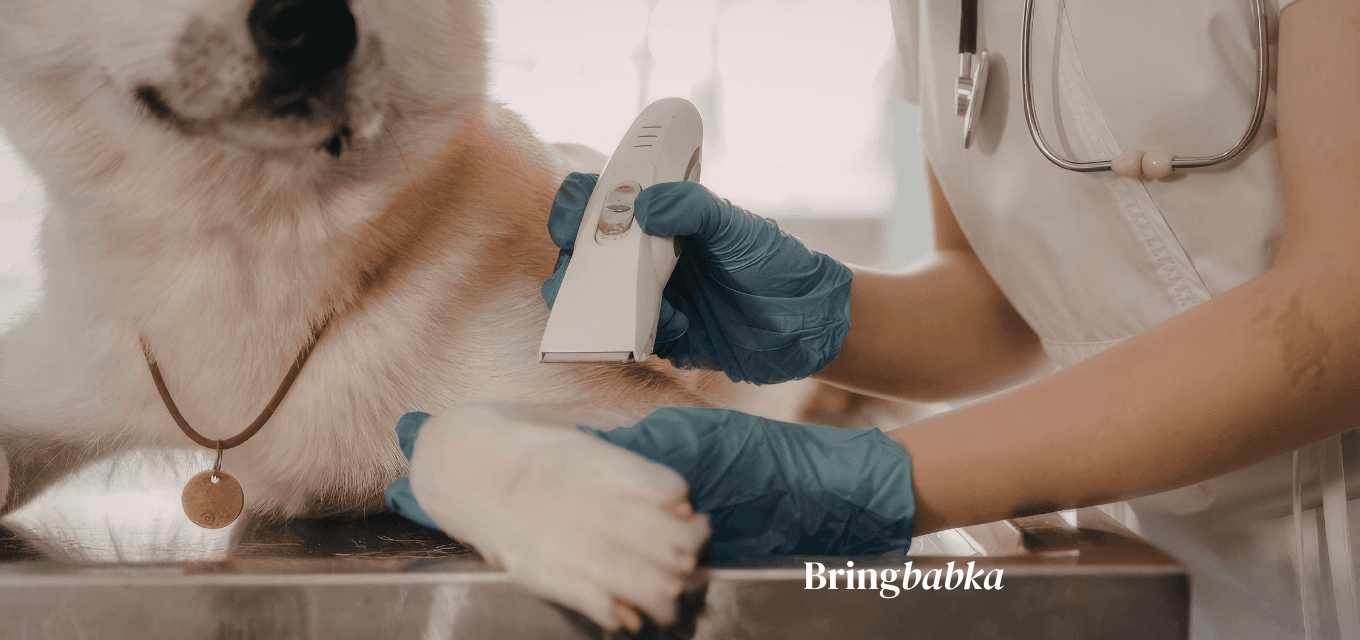
Identity verification is the process by which an official government veterinarian in your country of export confirms that the pet described in your import documents is the same animal that's about to board the plane. They scan the microchip, take a photograph showing the microchip number, and submit a declaration directly to DAFF in Australia.
Why it matters: the quarantine difference
Pets that complete identity verification correctly are eligible for a minimum of 10 days quarantine at Mickleham. Pets that do not complete it must spend a minimum of 30 days. The cost difference is over AUD $1,000. The emotional difference, 10 days versus 30 days without seeing your pet, is significant.
There is no way to upgrade from 30-day to 10-day quarantine after the fact. Once the permit is issued for 30 days, it cannot be changed. This is a decision you make at the beginning of the process, not the end. Read more about what happens during quarantine at Mickleham.
How it works by country
United States
Two USDA-accredited vets at two separate practices each complete an identity declaration. These are submitted electronically through VEHCS directly to DAFF. Both must be submitted before blood is drawn for the RNATT.
Canada
A CFIA official at a CFIA Animal Health Office completes the identity declaration (form HA3201) and submits it directly to DAFF. Unlike the US, Canada requires only one government appointment, not two separate vets.
United Kingdom
Two OV66-authorised Official Veterinarians at two separate practices complete identity declarations. Both submit directly to DAFF. Both must be completed before blood is drawn. The UK identity verification system launched in November 2024. It is relatively new and OV66-authorised vets are specialist services, not your regular vet.
The one rule that catches people out
The identity check and the RNATT blood draw cannot happen at the same vet visit. They must be on separate days. And the declarations must reach DAFF before the blood draw, not just before export. Confirm timing with your vet explicitly before booking any appointment. If the blood test comes back under 0.5 IU/ml, read what happens if the RNATT fails.