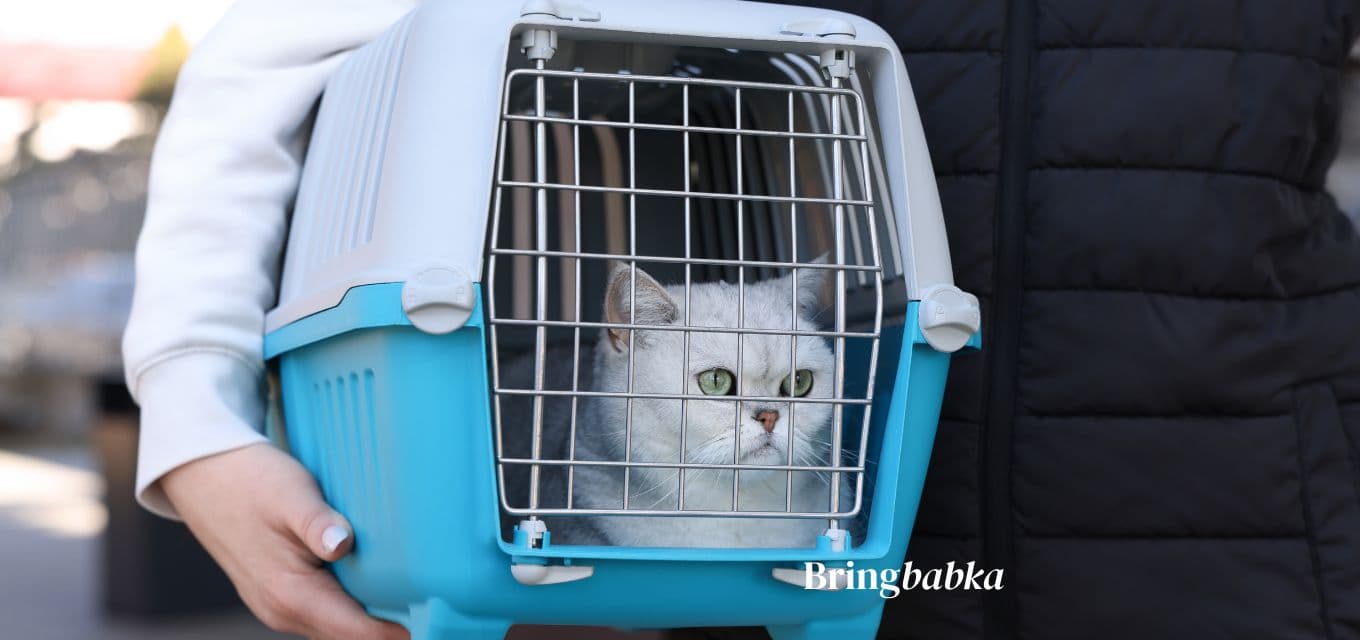
The US-to-Australia cat import process takes roughly 7 months from start to finish. It shares the same backbone as the dog process — RNATT blood test, 180-day wait, import permit, quarantine at Mickleham — but there are meaningful differences worth knowing before you begin.
The basics
The United States is a Group 3 country for Australian biosecurity purposes, which means cats coming from the US must complete a rabies antibody test, serve a mandatory 180-day waiting period, obtain an import permit through DAFF's BICON system, and spend time in post-entry quarantine at the Mickleham facility in Victoria.
Cats have fewer steps than dogs. There is no CIV vaccination requirement, no Leishmania test, no Brucella test, and no Leptospira requirement. The process is still complex — DAFF themselves describe it as such — but cat owners generally have a shorter checklist than dog owners making the same move.
The complete sequence
Phase 1 — Microchip, vaccination, and identity (months 1-2)
Your cat must have an ISO-compliant microchip implanted before the rabies vaccination. Microchips starting with 999 are not accepted by DAFF because they are not unique. Confirm your cat's microchip reads correctly before any vet steps begin.
Rabies vaccination must be given when your cat was at least 84 days (12 weeks) old. The vaccination must remain continuously valid from the date of the RNATT blood draw right through to the date of export. If it lapses for even a single day, the RNATT result is invalidated and the 180-day wait restarts.
Identity verification is optional but strongly recommended. Completing it before the RNATT blood draw qualifies your cat for 10-day quarantine instead of 30. The cost difference is over AUD $1,000. For US cats, identity verification involves two USDA-accredited vets at two different practices, with the completed form submitted to DAFF by the USDA VMO. Both identity declarations must reach DAFF before blood is drawn for the RNATT.
Phase 2 — RNATT blood draw and 180-day wait (months 1-7)
A USDA-accredited vet draws blood and sends it to an approved laboratory — Kansas State University Veterinary Diagnostic Laboratory or Auburn University are the two standard options. The 180-day waiting period starts from the date the lab receives the sample, not the date blood was drawn. The sample typically takes 2-5 days to arrive.
Once you receive the laboratory report confirming a result of 0.5 IU/ml or above, you need the RNATT declaration — a separate document completed by the USDA VMO. Both the lab report and the declaration are required to apply for the import permit. The RNATT result is valid for 12 months from the blood draw date.
Phase 3 — Import permit (months 3-7)
Apply for your import permit through DAFF's BICON system as soon as you have both the RNATT lab report and the RNATT declaration. The permit takes 20-40 business days in most cases, though up to 123 business days is possible. The permit fee for a single animal is approximately AUD $603 (lodgement and initial assessment). Fees are reviewed annually — confirm at agriculture.gov.au before applying.
When the permit arrives, book quarantine at Mickleham the same day. The permit does not hold a quarantine slot, and popular dates fill quickly.
Phase 4 — Pre-departure (final 30 days)
External parasite treatment must start at least 30 days before departure for cats. The product must kill fleas and ticks on contact — oral systemic products including NexGard, Bravecto, Simparica, Credelio, and Revolution are not accepted by DAFF. Always check DAFF's current approved products list at agriculture.gov.au/biosecurity-trade/cats-dogs before selecting a product.
Internal parasite treatment requires two separate treatments covering both roundworms (nematodes) and tapeworms (cestodes). The first treatment must be at least 14 days before the second. The second must be within 5 days of departure.
A final health examination by a government-approved vet must happen within 5 days of departure. The export health certificate is completed at this visit and must be endorsed by the USDA VMO via VEHCS before departure.
Phase 5 — Flight and quarantine
Cats fly to Melbourne via Qantas Freight from LAX (Los Angeles). The flight is QF096. Your cat must arrive directly at Melbourne International Airport — domestic transfers are not permitted. All international cat cargo bookings must go through a Qantas-approved pet travel specialist.
On arrival, DAFF collects your cat from the aircraft and transports them to Mickleham (135 Donnybrook Road, Mickleham VIC 3064). You will receive a DAFF email within 24 hours confirming safe arrival. No visits are permitted during the quarantine period.
The minimum quarantine duration is 10 days (with identity verification) or 30 days (without). Current DAFF quarantine fees for a 10-day stay: reservation AUD $269, importation charge AUD $1,078, accommodation AUD $530 — total approximately AUD $1,877. Fees reviewed annually.
What cats don't need that dogs do
- No CIV (Canine Influenza Virus) vaccination
- No Leishmania test
- No Brucella canis test
- No Leptospira vaccination or test
- No Africa travel imidocarb requirement
Things to check before you start
Bengal cats, Savannah cats, Chausie cats, and all other domestic/non-domestic hybrid cats are prohibited from import into Australia. Confirm breed eligibility with DAFF before starting. Verify your cat's microchip reads correctly before any veterinary steps.
Regulations can change and every situation is different. Always verify requirements directly with DAFF at agriculture.gov.au before taking action.