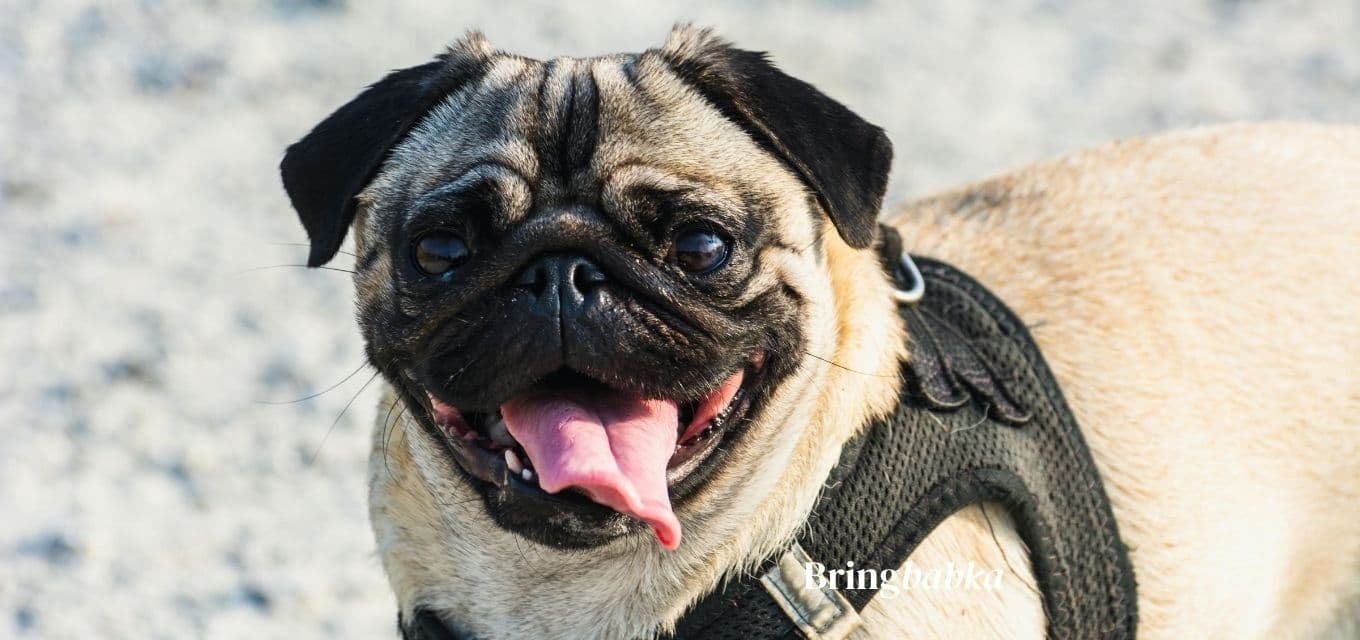
If you have a brachycephalic (flat-faced) breed, the Australian import process itself is the same as for any other dog or cat. The microchip, rabies vaccination, RNATT, identity verification, quarantine - all of that is identical. What changes is the airline rules. QANTAS Freight applies additional restrictions to brachycephalic breeds because of the higher risk of respiratory distress during air travel. This guide explains what those restrictions are and how to navigate them.
Why extra restrictions exist
Brachycephalic breeds have shortened skulls and compressed airways. This anatomy makes them more susceptible to breathing difficulties, particularly in stressful situations, temperature changes, and reduced oxygen environments. While the cargo hold of a QANTAS aircraft is pressurised and temperature-controlled, the stress of air travel - including crate confinement, noise, vibration, and unfamiliar surroundings - increases the risk of respiratory distress.
Airlines globally have higher incident rates with brachycephalic breeds during transport. Some airlines refuse to carry them at all. QANTAS doesn't ban them outright but requires additional precautions and mandates booking through an approved specialist.
This isn't a bureaucratic hurdle - it's a genuine safety measure. Brachycephalic breeds are more likely to experience breathing emergencies during flights, and the restrictions exist to reduce that risk.
Which breeds are considered brachycephalic?
QANTAS maintains a list of breeds subject to brachycephalic restrictions. The most common ones:
Dogs:
- Bulldog (English Bulldog)
- French Bulldog
- Pug
- Boston Terrier
- Boxer
- Cavalier King Charles Spaniel
- Shih Tzu
- Pekingese
- Lhasa Apso
- Affenpinscher
- Brussels Griffon
- Japanese Chin
- Tibetan Spaniel
- Bullmastiff
- Dogue de Bordeaux
- Staffordshire Bull Terrier (some airlines include this breed)
Cats:
- Persian
- Exotic Shorthair
- Himalayan
- Burmese
- Scottish Fold (flat-faced variants)
- British Shorthair (some airlines include this breed)
Mixed breeds with significant brachycephalic characteristics may also be subject to restrictions. If your pet has a noticeably shortened muzzle, assume the restrictions apply and confirm with QANTAS or the specialist.
QANTAS requires all brachycephalic breeds to be booked through a QANTAS-approved pet travel specialist. You cannot book directly through QANTAS Freight for these breeds.
What this means practically
The main practical difference is that you cannot call QANTAS Freight and book your brachycephalic pet's flight directly. Instead, the booking must go through a QANTAS-approved pet travel specialist.
These specialists are vetted by QANTAS and authorised to book brachycephalic breeds. They manage:
- Booking the flight with QANTAS Freight on your behalf
- Assessing your pet's fitness to fly (some specialists require a vet assessment specifically for brachycephalic suitability)
- Crate requirements - brachycephalic breeds may need a larger crate than standard sizing to ensure maximum airflow
- Temperature monitoring - specialists often have stricter temperature thresholds than standard bookings
- Drop-off coordination at the cargo terminal
Using a specialist adds cost - typically their fee is included in the overall transport quote, which runs higher than a standard booking. Expect to pay $500-1,500 more than a standard-breed booking of the same size, though this varies by specialist and route.
Timing your move
Because brachycephalic breeds are more sensitive to temperature, the timing of your move matters more:
- Best months: September-November (Australian spring) and March-May (Australian autumn). Moderate temperatures at both ends of the journey.
- Risky months: June-August (Australian winter) is fine temperature-wise in Melbourne, but US summer temperatures at LAX can occasionally be a concern. Your specialist will monitor conditions.
- December-February: Melbourne summer - arrival temperatures may be high. Check forecasts carefully.
Your specialist will monitor temperatures and may advise rescheduling if conditions are borderline. For brachycephalic breeds, the specialist should be conservative on temperature limits - if they're not raising temperature as a factor, ask about it directly.
The import process itself is unchanged
This is worth emphasising: the Australian import process is identical for brachycephalic breeds. The steps are the same:
- Microchip
- Rabies vaccination
- Identity verification (2 vets, before blood draw)
- RNATT blood draw
- 180-day wait
- Import permit
- Book quarantine
- All remaining vet visits, tests, and treatments
- Health certificate and USDA endorsement
- Departure
Nothing about the DAFF requirements changes for brachycephalic breeds. Your pet goes through the same quarantine at Mickleham for the same duration. The only difference is the airline booking process and the additional restrictions QANTAS applies to the flight itself.
For the full step-by-step process, read the complete guide to moving your pet from the US to Australia. For details on the flight booking, see the QANTAS Freight guide.
What about prohibited breeds?
Brachycephalic restrictions and prohibited breeds are two different things. Brachycephalic breeds face airline restrictions but are still allowed into Australia (assuming they're not on the prohibited list for other reasons).
Australia prohibits the import of certain breeds entirely:
- American Pit Bull Terrier
- Japanese Tosa
- Dogo Argentino
- Fila Brasileiro
- Presa Canario
These breeds cannot enter Australia under any circumstances. Bengal cats were banned from import effective 1 March 2025. Savannah cats remain prohibited.
If your brachycephalic breed is not on the prohibited list, it can be imported - you just need to use the specialist booking process for the flight.
Frequently asked questions
Yes, but the flight must be booked through a QANTAS-approved pet travel specialist, not directly through QANTAS Freight. French Bulldogs are one of the most commonly transported brachycephalic breeds on this route. The import process is the same as any other dog - the airline booking is what differs.
Many QANTAS-approved specialists offer full-service packages that include paperwork management, QANTAS booking, and logistics coordination. However, this is not guaranteed - some only handle the flight booking. Ask specifically what their service includes and whether the import process management is part of the fee or separate.
Specialists may recommend a larger crate than standard sizing to maximise airflow around your pet's face. The crate must still be IATA-compliant. Your specialist will advise on the correct size based on your pet's measurements. A larger crate means higher freight costs due to volumetric weight pricing.
If QANTAS or the specialist determines your pet is not fit to fly - due to extreme brachycephalic anatomy, health conditions, or temperature concerns - you may need to explore alternative options. These could include waiting for a cooler travel window, obtaining a veterinary fitness-to-fly certificate, or in extreme cases, considering whether air transport is appropriate for your specific animal. This decision should involve your vet and the specialist.